Best Wellness Clinic Maryland

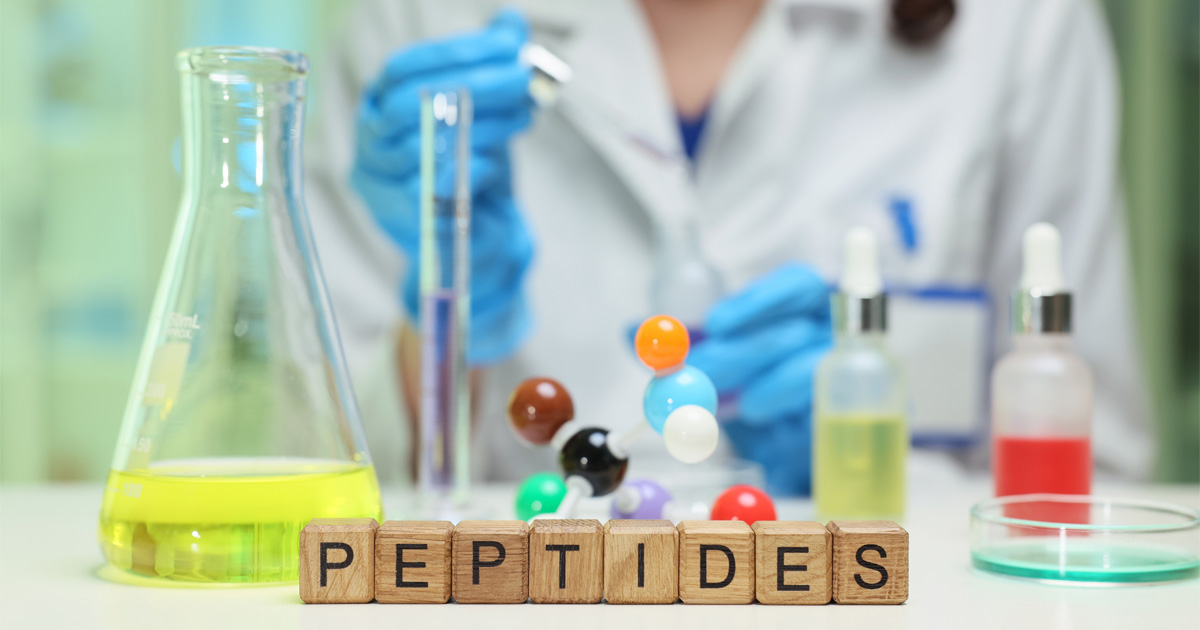
What Is Peptide Therapy? A Beginner’s Guide to How It Works
Peptides are becoming a common topic in health and wellness discussions, yet many people encounter the term without a clear explanation of what it actually means. Articles, social posts, and advertisements often mention peptides in connection with recovery, aging, or metabolic support, but the underlying science is rarely explained in plain language.
Understanding peptide therapy requires stepping back and looking at how the body communicates at a cellular level. Peptides are not shortcuts, miracle compounds, or replacements for healthy habits. They are part of the body’s natural signaling system, and any responsible discussion about them starts with biology, not promises. If you want a simple overview of how peptide-related care is typically introduced in a structured way, it can help to start with this educational summary of common peptide treatment considerations.
This guide explains what peptide therapy is, how peptides function in the body, what research helps clarify, and why medically guided conversations tend to emphasize safety, education, and realistic expectations.
What Is Peptide Therapy?
Peptide therapy refers to the medically guided use of specific peptides to support normal biological signaling processes. Peptides are short chains of amino acids that act as messengers, helping cells communicate and regulate functions such as metabolism, immune response, tissue maintenance, and hormonal signaling.
From a biological standpoint, peptides work because they bind to specific receptors on cells. This targeted interaction allows them to influence particular pathways rather than creating broad, system-wide effects. That specificity is one reason peptides are studied so closely in medical and scientific settings.
According to the National Center for Biotechnology Information, peptides are fundamental components of many physiological processes and play an important role in cellular communication. This helps frame peptide therapy as an extension of existing biological mechanisms, not an artificial intervention.
How Peptides Function in the Body
Peptides are naturally produced by the body and are involved in everyday regulation. Unlike larger proteins, peptides are smaller and tend to act quickly, delivering focused signals and then breaking down into amino acids the body can reuse.
At a simplified level, peptide signaling often follows this pattern:
A peptide binds to a specific receptor
A message is delivered to the cell
The cell responds by adjusting a function
The peptide is broken down after signaling
A medically reviewed overview from Medical News Today explains that peptides participate in processes such as metabolism, immune signaling, and cellular communication.
Why Peptides Are Studied in Wellness and Medical Contexts
Interest in peptides often comes from their role in supporting normal biological balance rather than treating disease. Research and clinical education tend to focus on how signaling pathways influence overall function over time.
People commonly explore peptide-based topics in relation to:
metabolic regulation
physical recovery and resilience
sleep and circadian rhythm support
immune signaling balance
age-related cellular communication
For readers who want a more detailed view of how peptide options may be discussed in a medically supervised setting, it can help to review this overview of how medical peptide therapy is typically evaluated and monitored.
What Research Helps Clarify
Research on peptides is ongoing and largely centered on understanding mechanisms. Much of the scientific literature explores how peptides interact with receptors, influence signaling cascades, and affect cellular behavior.
One important takeaway from current research is the difference between biological plausibility and guaranteed outcomes. While peptides clearly play meaningful roles in physiology, research does not support exaggerated claims or one-size-fits-all results.
This distinction is why reputable discussions focus on education, individual context, and continued study rather than promises.
Safety, Oversight, and Responsible Use
Because peptides influence biological communication, oversight is a consistent theme in responsible education. Safety is not just about the compound itself but also about how it is used, who it is appropriate for, and how it is monitored.
Common safety considerations include:
the specific peptide involved
formulation and dosing decisions
individual health history
follow-up and monitoring practices
A responsible discussion should always include individualized screening and a realistic explanation of what is known, what is still being studied, and what follow-up may involve.
What an Educational Consultation Typically Covers
Before peptide-based approaches are ever considered, education comes first. An educational consultation is designed to inform, not pressure.
This process commonly includes:
reviewing medical history and medications
discussing wellness goals realistically
explaining how peptide signaling works
clarifying expectations and limitations
Taking this step helps people avoid one of the most common pitfalls: forming opinions based on incomplete or promotional information.
Common Misconceptions About Peptides
Because peptides are frequently discussed online, misconceptions are common. Some of the most frequent include:
assuming peptides are the same as hormones
expecting immediate or guaranteed changes
treating peptides as replacements for lifestyle habits
believing all peptides work the same way
Clear education helps separate legitimate science from oversimplified claims.
Frequently Asked Questions
No. While some hormones are peptides, not all peptides function as hormones. They differ in structure and role.
Many peptides act briefly and are broken down after signaling, which is why timing and dosing are discussed carefully.
Some peptides have approved medical uses, while others are studied in research or discussed in wellness education.
No. Individual health history and professional evaluation help determine appropriateness.
No. Peptides are typically discussed alongside nutrition, sleep, and activity, not as substitutes.
Have Questions About Peptide Therapy?
If you’re still learning about peptide therapy and how it’s discussed in a medically guided setting, reviewing additional information or speaking with a provider can help clarify whether it’s appropriate for you.
Learn more about peptide therapy or review the Google listing for general provider information.
Disclaimer
This content is for educational purposes only and is not medical advice. It is not intended to diagnose, treat, cure, or prevent any condition. Always consult a qualified healthcare professional regarding medical decisions.
References
National Center for Biotechnology Information. Biochemistry, Peptide. NCBI Bookshelf
Medical News Today. Peptides: What are they, uses, and side effects. Medical News Today