Best Wellness Clinic Maryland

What Are the Main Peptide Therapy Benefits for Wellness and Recovery?
If you have been researching ways to improve recovery, support long-term wellness, or help your body repair itself more efficiently, you may have come across discussions about peptide therapy benefits. Many people exploring regenerative medicine are curious about how peptides work and why these therapies are increasingly discussed in conversations about recovery, energy, and overall health.
Peptides are short chains of amino acids that function as signaling molecules in the body. These molecules help regulate communication between cells and influence biological processes such as tissue repair, immune response, metabolism, and recovery. Because peptides naturally occur in the body, researchers continue studying how peptide-based therapies may support these biological systems and assist recovery after stress, injury, or aging-related changes.
If you want to understand how peptides interact with cellular repair pathways, you can explore this article on how peptide therapy may support healing and regenerative processes. It explains how peptide signaling influences tissue repair and regenerative wellness strategies.
Understanding how peptides work can help you better evaluate whether peptide-based therapies align with your health and recovery goals.
Understanding Peptide Therapy Benefits for Recovery and Wellness
To understand why peptides are widely studied in regenerative medicine, it helps to look at how peptide therapy treatment interacts with the body’s biological systems.
Peptides function as messengers that tell cells how to respond to different conditions. Some peptides activate repair pathways, while others influence metabolism or immune communication. Because peptides help regulate how cells respond to stress, they are often studied for their potential role in recovery and biological balance.
Peptides influence several biological functions, including:
cellular repair
tissue recovery
metabolic support
immune system communication
hormone signaling
According to the National Center for Biotechnology Information, peptides are involved in many physiological processes because they help regulate communication between cells and biological systems.
This ability to influence cellular communication is one reason peptides are frequently studied in regenerative medicine.
Supporting Tissue Repair and Cellular Recovery
One of the most discussed benefits associated with peptides involves tissue repair. When the body experiences stress or injury, it activates repair pathways designed to restore normal function.
Healing peptides interact with these pathways by signaling cells to begin rebuilding damaged tissue. This communication between cells helps regulate how the body responds to physical stress.
For example, tissue repair processes are essential after intense exercise, injury, or illness. Supporting these processes may help the body recover more efficiently.
This works because peptides help coordinate cellular activity during the recovery process. When communication between cells is functioning properly, the body can repair tissue and restore balance more effectively.
Because of this role in cellular communication, peptides are often studied in regenerative medicine programs that focus on recovery and healing.
Helping the Body Recover From Physical Stress
Physical stress from exercise, demanding schedules, or injury can challenge the body’s recovery systems. Some peptides interact with biological pathways associated with muscle recovery and tissue repair.
When muscles or connective tissue experience strain, the body activates repair mechanisms to restore normal function. Peptides help regulate this communication between cells.
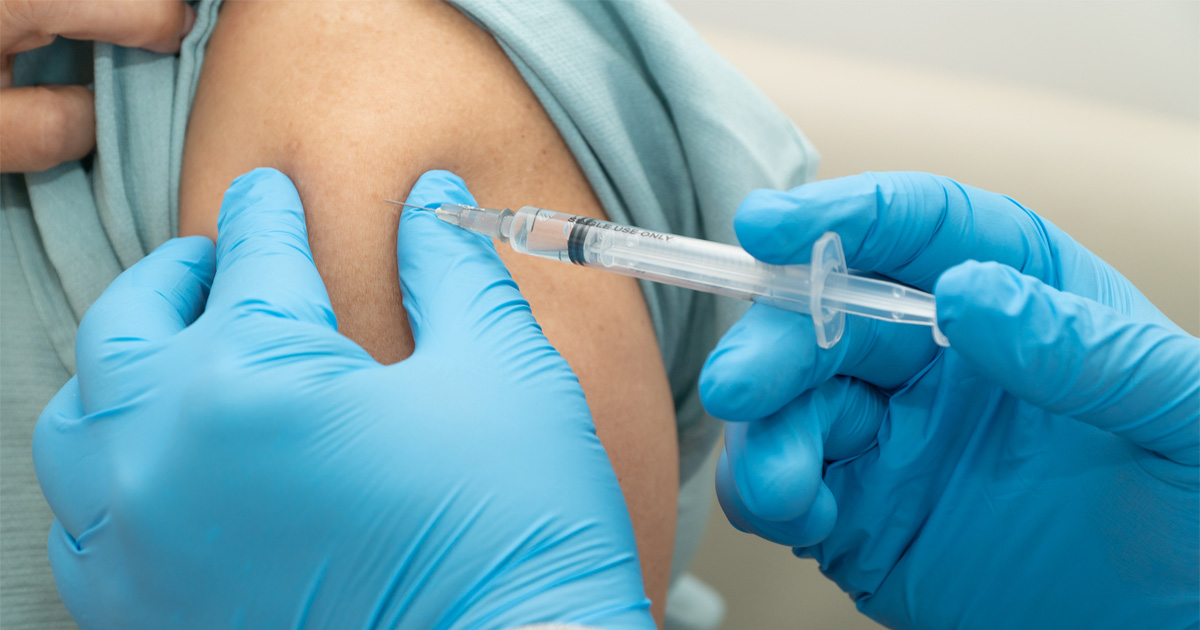
For example, individuals interested in recovery-focused wellness programs sometimes explore peptide therapy injections because certain peptides interact with pathways associated with muscle repair and tissue recovery.
If you are curious about how peptide-based therapies may support energy and recovery, this guide on how peptide therapy can help improve energy and physical recovery explains how peptides may assist recovery processes after physical stress.
Understanding how the body responds to physical stress helps explain why recovery-focused therapies are studied in regenerative medicine.
Supporting Metabolic Function and Energy Balance
Metabolism influences how efficiently the body converts nutrients into energy and regulates processes such as hormone signaling and cellular activity.
Some peptides interact with signaling pathways connected to metabolic activity. When metabolic processes function efficiently, the body may be better able to:
regulate energy levels
process nutrients effectively
maintain metabolic balance
Metabolic health affects many aspects of overall wellness, including energy levels, body composition, and hormonal balance.
Because metabolism relies on complex communication between cells and biological systems, peptides that influence these pathways are often studied as part of wellness strategies designed to support metabolic function.
Scientific research published through PubMed Central explains that therapeutic peptides are increasingly studied in medicine because they can influence specific biological pathways.
How Regenerative Peptide Therapy Fits Into Modern Medicine
Regenerative medicine focuses on supporting the body’s natural ability to repair and maintain healthy biological systems. Instead of focusing only on symptoms, regenerative medicine explores ways to support underlying biological processes.
Peptides are often discussed in regenerative medicine because they influence cellular communication. This signaling function allows biological systems to regulate healing, metabolism, and immune responses.
When cellular communication works efficiently, the body can maintain balance more effectively. Because peptides help coordinate communication between cells, therapies that use peptides are studied as part of regenerative medicine approaches.
If you want to explore how peptide-based therapies are offered within regenerative medicine programs, this overview of peptide therapy services explains how peptide protocols are designed to support recovery and long-term wellness.
What to Expect From Peptide Therapy Treatment
If you are researching peptide-based therapies, you might wonder how treatment plans typically work.
Most peptide therapy programs begin with a health evaluation to understand a person’s medical history and wellness goals. From there, providers may recommend specific peptides that align with the desired outcomes.
Although treatment plans vary, most programs involve several steps.
Initial evaluation
A healthcare provider reviews your health history and discusses goals related to recovery, energy, or metabolic health.
Personalized protocol
Different peptides serve different biological functions. Providers may select peptides that support tissue repair, metabolic signaling, or immune communication.
Monitoring progress
Because each person responds differently, providers may monitor progress and adjust protocols over time.
Understanding this process helps people develop realistic expectations when exploring regenerative therapies.
Common Misunderstandings About Peptide Therapy
When people first begin researching peptide-based therapies, several misconceptions can appear.
Assuming all peptides function the same way
Different peptides influence different biological systems. Some peptides are associated with tissue repair, while others interact with metabolic pathways or immune signaling.
Expecting instant results
Cellular repair and metabolic adjustments take time. Improvements often occur gradually as the body responds to biological signaling pathways.
Using unregulated peptide products
Peptide therapies should always be administered under proper medical supervision using regulated sources.
Understanding these factors can help individuals make more informed decisions when researching regenerative therapies.
Frequently Asked Questions
Results vary depending on the peptides used and individual health factors. Some people report gradual improvements within several weeks, while others may take longer to notice changes.
No. Peptides are short chains of amino acids that function as signaling molecules. While some peptides influence hormone pathways, they are not hormones themselves.
Yes. Peptides are studied in regenerative medicine because they influence biological processes related to tissue repair, metabolism, and immune communication.
Certain peptides interact with pathways involved in muscle recovery and tissue repair, which is why they are sometimes explored in recovery-focused wellness programs.
When administered by qualified medical professionals using regulated sources, peptide-based therapies are designed to work alongside the body’s natural biological systems.
Exploring Peptide Therapy as Part of a Wellness Strategy
Learning about regenerative medicine can help you better understand how modern therapies support recovery and long-term wellness. Peptides play an important role in biological communication, which is why they continue to be studied in modern healthcare.
Understanding how cellular signaling affects recovery, metabolism, and immune function helps explain why peptide-based therapies are being explored in wellness and regenerative medicine programs.
If you want to learn more about how peptide-based treatments are used and what therapy may involve, you can explore the clinic’s peptide therapy page to learn more about peptide therapy treatment approaches.
Disclaimer
This article is intended for educational purposes only and does not constitute medical advice. Individual health conditions vary, and treatment decisions should always be made in consultation with a qualified healthcare professional.
References
National Center for Biotechnology Information
https://www.ncbi.nlm.nih.gov/books/NBK562260/
PubMed Central
https://pmc.ncbi.nlm.nih.gov/articles/PMC8844085/